
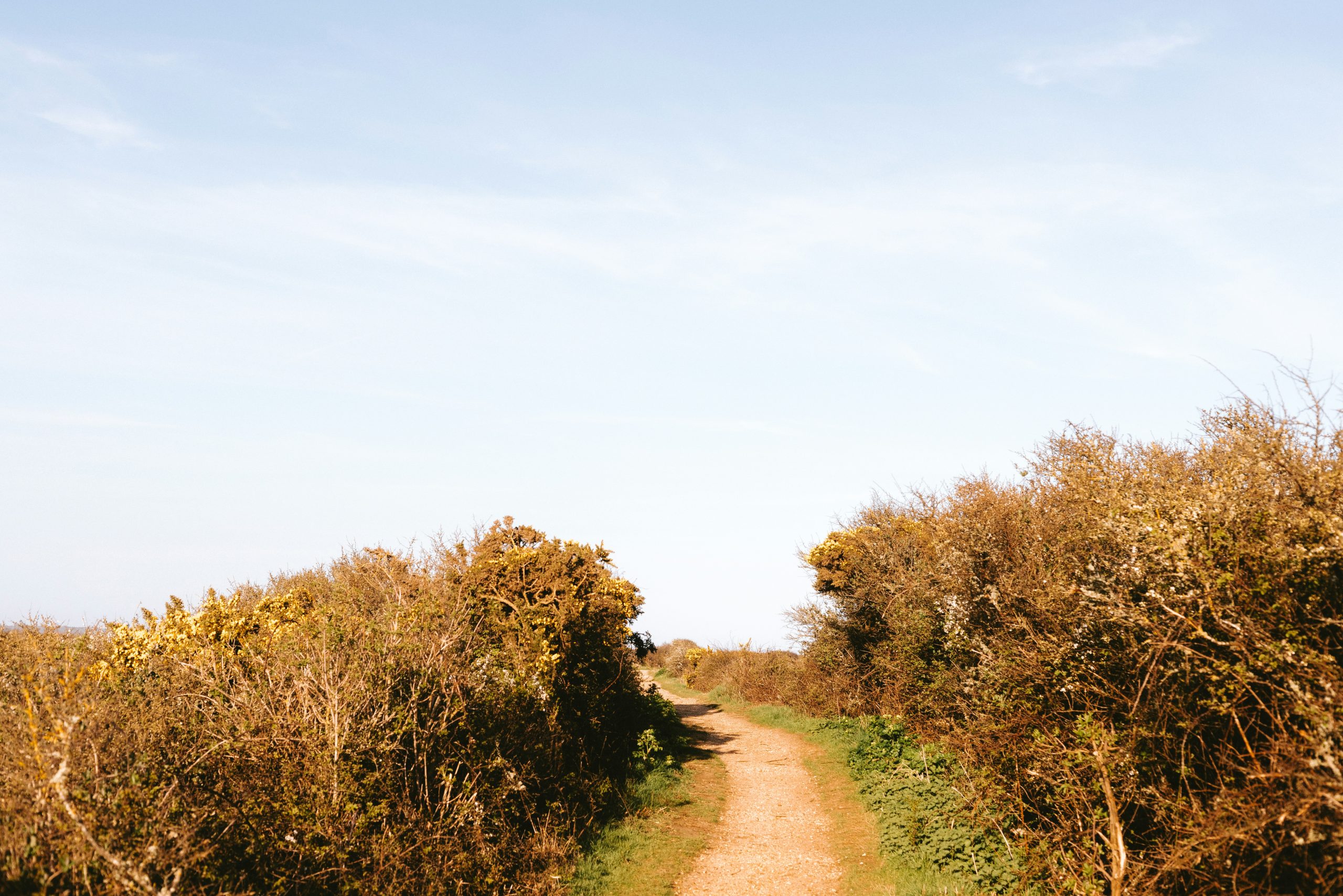
Since moving to the Wiltshire countryside twelve years ago, I’ve found myself noticing our hedgerows more and more – particularly as I’ve begun to understand just how important they are.
My husband has lived in the countryside for around 30 years and has taught me so much about the landscape around us: the plants we’re passing, the birds we’re hearing, what changes with the seasons and all sorts of things I simply wouldn’t have known to look for before. But the more I learn, the more curious I become – and hedgerows are a perfect example.
They’re everywhere here. They line the lanes around our village, run alongside footpaths and criss-cross the fields, and at this time of year they’re changing almost by the day.
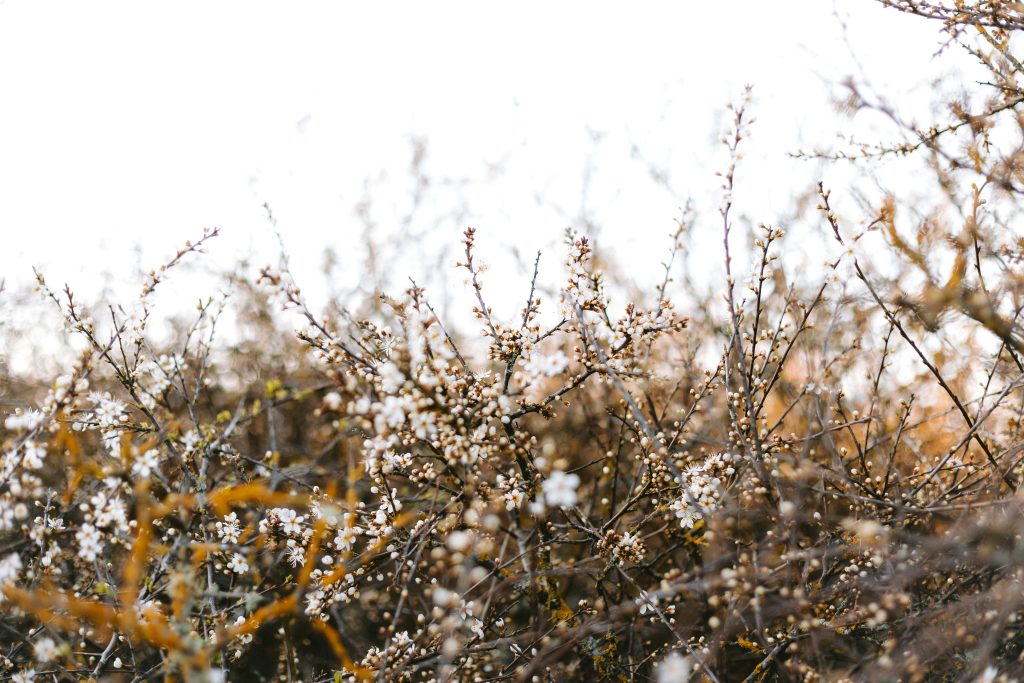
Blackthorn is one of my favourites. Its masses of tiny white flowers appear on bare, dark branches before the leaves, making whole stretches of hedgerow look white from a distance. Hawthorn is beginning to green up too, while cow parsley starts appearing along the verges and all sorts of wild plants emerge beneath the hedge.
Depending on where you’re walking, you might spot primroses, violets or stitchwort at the base of a hedge, while bramble, ivy, dog rose and honeysuckle weave their way through the branches.
And once you start looking properly, you realise a hedgerow isn’t simply a line of bushes separating one piece of land from another. There’s an extraordinary amount going on in there.
More than a boundary
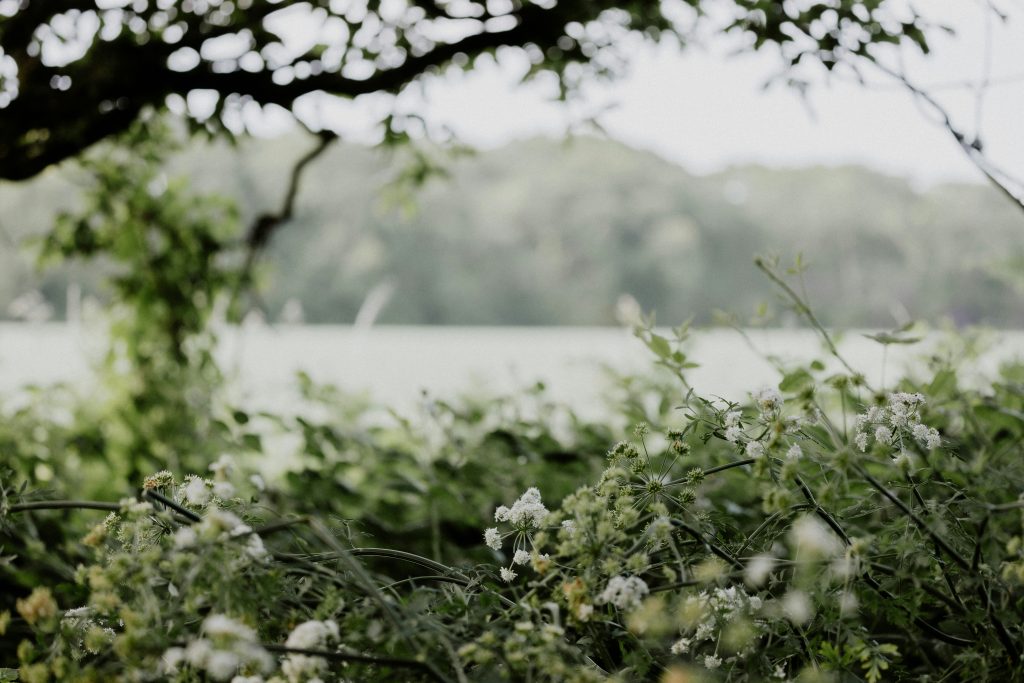
A mature country hedge can contain several different layers: shrubs such as hawthorn, blackthorn and hazel; larger trees including oak and ash; climbing plants weaving their way through; and grasses and wildflowers growing along the bottom.
All of this creates food and shelter.
Flowers provide nectar for bees, butterflies and other insects, while berries, nuts and seeds offer food for birds and small mammals. Dense branches offer nesting places and protection, while creatures including hedgehogs, bank voles and harvest mice can live and feed around hedgerows.
Bats use them too, following the lines of hedges as they travel between feeding and roosting areas. Hedgerows can act as wildlife corridors, allowing species to move between different areas of habitat rather than having to cross large expanses of open ground.
What looks like a fairly ordinary strip of green from a distance can actually be a busy little ecosystem and an important route through the wider landscape.
A piece of living history
There’s history tangled up in our hedgerows too.
People have been planting hedges in Britain for thousands of years, and some surviving hedgerows are centuries old. It’s estimated that 40% of UK hedges – around 95,000 miles – are ancient and/or species-rich.
Many were planted to mark boundaries and enclose land, which is one reason they’ve become such a distinctive feature of the British countryside. Some are still protected today because of their historical or ecological importance.
There’s even an old method known as the Hooper formula, which looks at the number of different tree and shrub species growing within a stretch of hedge to give a rough indication of its age. It’s far from an exact science – where a hedge grows and how it was originally planted can affect the result – but I love the idea that the plants within an apparently ordinary hedge can offer clues to its past.
It makes me curious about some of the older hedges around us in Wiltshire. How many different species are actually growing in them? Was that huge tree in the middle there long before the surrounding hedge? Who planted it – and what did the landscape look like then?
Why hedgerows matter
Hedgerows haven’t always been valued in the way they are now. Huge numbers disappeared during the twentieth century as the countryside changed. The Woodland Trust estimates that around 118,000 miles of hedgerow have been lost in Britain since 1950.
Although that rate of loss has slowed, hedges can still suffer through removal, neglect or unsuitable management. And simply having a hedge isn’t the whole story. How it is looked after makes a difference too.
A very tightly clipped hedge might look beautifully neat, but repeated close cutting can mean fewer flowers and berries. Allowing a hedge to grow a little more freely gives plants such as hawthorn the chance to flower and fruit, providing nectar for insects in spring and food for birds later in the year.
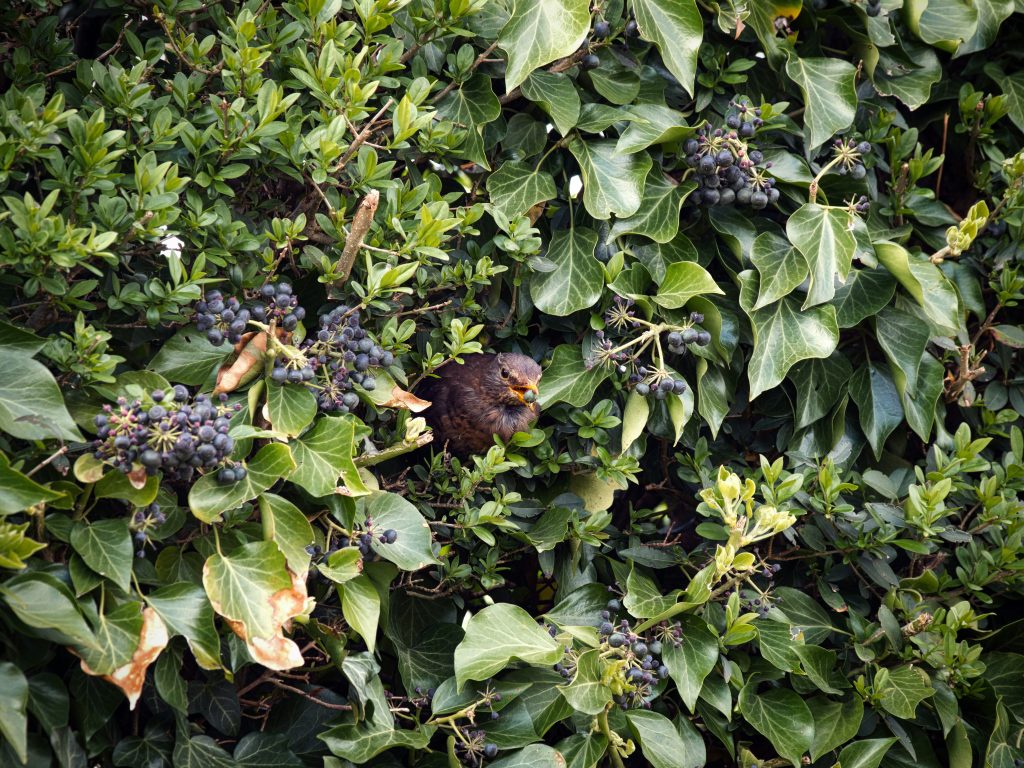
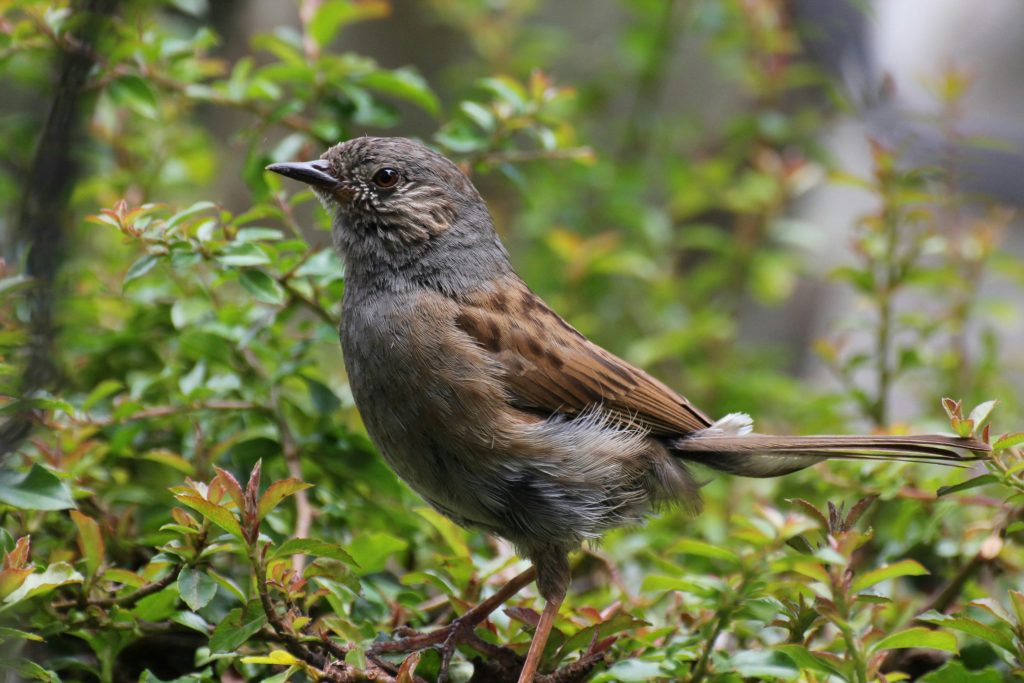
Timing matters as well. Blackbirds, robins, wrens and other birds may choose dense hedges for nesting, which is why it’s important to be mindful of nesting birds before reaching for the hedge trimmer.
Hedgerows have practical uses too, of course. For centuries they’ve marked boundaries and provided shelter, and they’re an intrinsic part of the countryside we see around us today. But what I’ve only really started to appreciate is how many other jobs they’re quietly doing at the same time.
Looking after the hedges closer to home
You don’t need acres of land to make room for a hedge.
If you’re lucky enough to have a garden, choosing native hedging rather than a fence can create a valuable strip of habitat. Hawthorn, blackthorn, field maple, holly, beech and hornbeam are among the possibilities, while climbers such as honeysuckle and dog rose add even more food and shelter.
I particularly like the idea of allowing a hedge to be slightly imperfect. Ivy provides shelter and late-season flowers for insects. Fallen leaves underneath create habitat, while leaving some berries rather than cutting everything back immediately provides food for birds.
Perhaps our instinct to tidy everything isn’t always what nature needs.
What can you find in a hedgerow?
All of this has made me want to learn more about what’s growing in the hedgerows around me rather than simply recognise the handful of plants I already know.
And spring feels like a particularly good time to start.
Choose one stretch of hedgerow on a walk and see what you can find. You don’t need to know the names of everything – take photographs and identify things when you get home if you want to.
Look at what’s flowering at eye level, but look down too. What’s growing at the base of the hedge? Are bees visiting the blossom? Can you hear birds somewhere inside it even though you can’t see them? Is there ivy climbing through the branches, or an old tree rising above everything else?
You could photograph the same section of hedge once a month for a year. White spring blossom will give way to green leaves, summer flowers and insects, then berries, hips and sloes as the seasons move on.
A little hedgerow spotting list
Blackthorn – white blossom appears before its leaves in early spring; look out for sloes later in the year.
Hawthorn – fresh green leaves followed by masses of white blossom, traditionally known as May blossom.
Cow parsley – frothy white flower heads appearing along verges and hedge bottoms later in spring.
Dog rose – delicate pink or white flowers followed by bright red hips.
Honeysuckle – winds its way through hedges and produces wonderfully scented flowers.
Ivy – provides shelter and a valuable late source of nectar.
Bramble – blossom for pollinators followed, of course, by blackberries.
I’m still very much learning. But perhaps that’s part of the enjoyment of living somewhere like Wiltshire. The countryside I’ve been surrounded by for years still has an enormous amount to teach me.